
Panama leaves the EU tax blacklist and moves to the gray list
Panama was removed from the EU tax blacklist on October 9, 2026, but stays under monitoring until the OECD reviews how it shares tax information with other countries.
Enter your email and we will let you know when we publish a new piece.
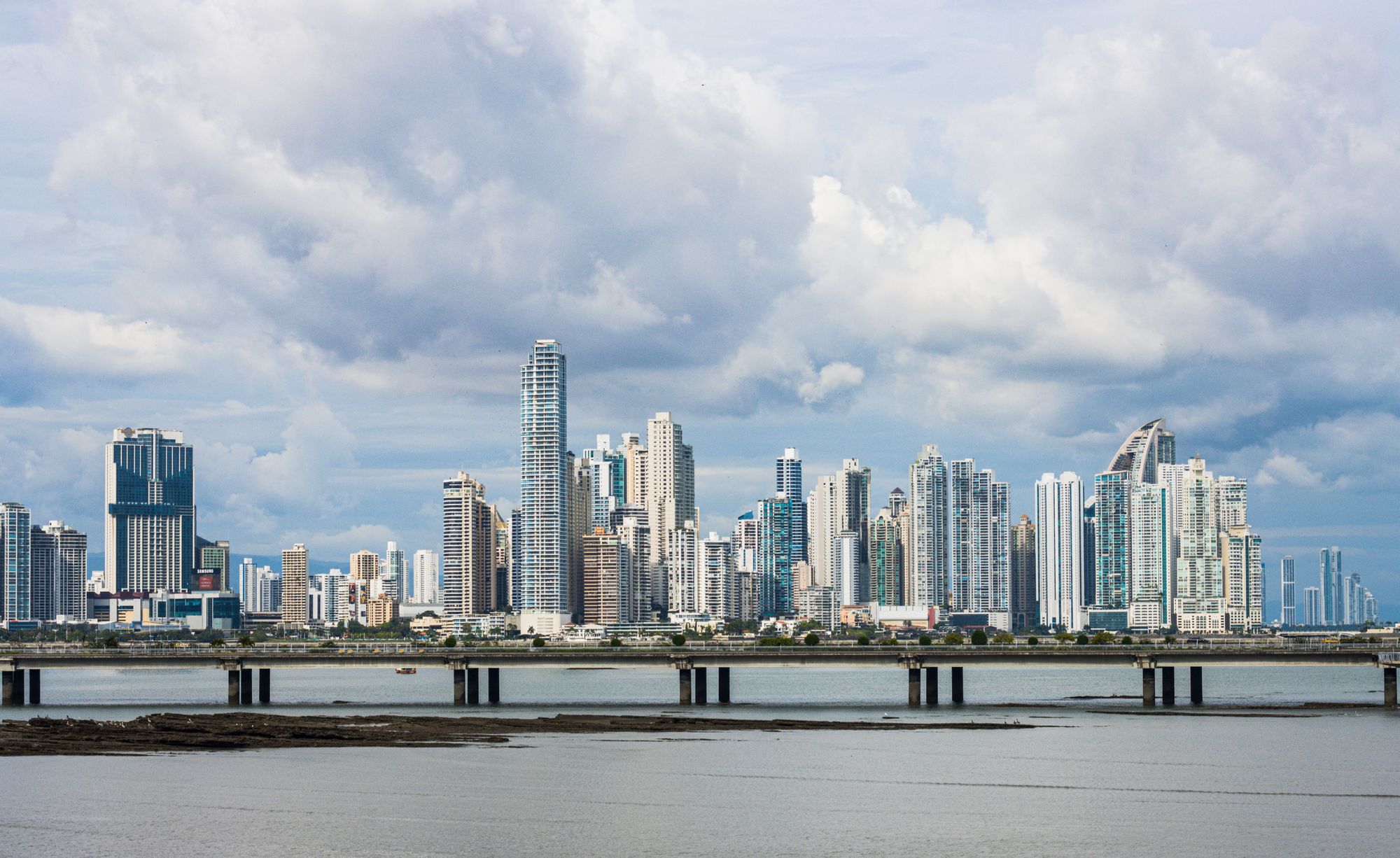
European finance ministers have removed Panama from the EU list of non-cooperative jurisdictions for tax purposes, commonly known as the EU blacklist. The decision lowers the tax cost that Panamanian businesses carried in their dealings with European counterparties. Panama remains under monitoring, with a review still pending. Even so, the change improves the terms on which Panamanian companies can negotiate with clients, suppliers and investors in Europe.
How the EU tax list works
The Council of the EU, which brings together the governments of the member states, screens jurisdictions outside the Union against 3 criteria. These are tax transparency, fair taxation and the measures in place against base erosion, meaning structures that shift profits to low-tax countries.
Jurisdictions that meet neither the criteria nor the commitments they made to address them are placed on Annex I, the blacklist. Those that still fall short but have committed to reforms move to Annex II, often called the gray list. A country on Annex II is monitored without being subject to the Annex I sanctions. The Council updates both annexes 2 times a year.
The tax sanctions Panama leaves behind
Panama had been on Annex I since February 2020, according to La Prensa. During that period, each EU member state had to apply at least 1 of 4 measures set by the Council. They range from denying the deduction of payments made to a listed jurisdiction to applying withholding taxes on them. They also include taxing in Europe the profits a European company accumulates in a subsidiary there and limiting the exemption on dividends coming from that country.
For a European client, those measures made any payment to Panama more expensive, since the client could lose the deduction or face a withholding. That cost could end up on the table when negotiating prices with Panamanian companies. The EU Delegation in Panama confirmed that the measures are lifted. KPMG notes that the change takes effect from the publication of the revised annexes in the Official Journal of the EU.
The impact goes beyond taxes. Several instruments through which the EU finances projects, among them the European Fund for Sustainable Development and the European Fund for Strategic Investments, could not channel funds through entities in listed jurisdictions. KPMG also cautions that some European countries keep national lists of their own, so the treatment of Panama may vary with the counterparty's country.
Annex II and the pending OECD review
Panama moved to Annex II with 1 commitment outstanding, a full review by the Global Forum on Transparency and Exchange of Information for Tax Purposes. That body, linked to the Organisation for Economic Co-operation and Development (OECD), assesses whether each country provides the taxpayer information that foreign tax authorities request. The review ends with a rating that reflects how closely the country meets the standard.
Panama will leave Annex II once that review rates it as largely or fully compliant. The Ministry of Economy and Finance (MEF) told La Prensa it has requested the assessors' visit for no later than the 1st half of 2027. The next update of the list is scheduled for February 2027. The EU statement sets no date for the review, so the news should be read as progress that is not yet consolidated. According to La Prensa, the decision does not remove Panama from other monitoring lists either.
The economic substance required by Law 526
Among the reforms the EU recognized are the economic substance law and its implementing decree. Economic substance is the evidence that a company has real operations in the country where it is domiciled, with people, decisions and expenses located there. Law 526 of May 28, 2026 will apply from fiscal year 2027 to Panamanian entities that belong to a multinational group and receive foreign-source passive income, such as dividends or interest from abroad.
Entities that cannot demonstrate substance will pay a flat and final rate of 15% on their net taxable income. Executive Decree 32 of September 2, 2026 regulates the law. According to the summary by the law firm ECIJA, the general standard requires at least 1 person employed or engaged in Panama. It also requires 2 in-person management meetings a year in the country and keeping supporting documentation in Panama for 5 years.
Groups with Panamanian companies that receive dividends or interest from subsidiaries in other countries need their finance teams to review with tax advisors which entities qualify before January 1, 2027. Complying with the law protects those groups from the rate and also supports Panama's standing with the EU.
Leaving Annex I already strengthens the position of Panamanian companies with European clients, suppliers and investors, and the OECD review will determine whether that progress holds. If your company deals with counterparties in Europe and wants to assess what changes in its terms, Okami Capital would welcome the conversation.


